
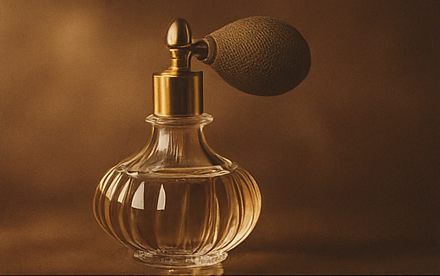

Perfumes are more than just pleasant smells; they are powerful tools that influence our emotions, trigger memories, and even affect our behavior. This intricate connection lies in the way our brain processes scents. When we inhale a fragrance, olfactory receptors in the nose send signals directly to the limbic system, the part of the brain associated with emotions and memory.
Scientific studies have shown that certain scents can induce specific psychological and physiological responses. Lavender, for instance, is known for its calming properties, while citrus scents like lemon and orange can invigorate and boost mood. This makes perfumes a subtle yet potent means of enhancing well-being.
Moreover, the association between scent and memory is remarkably strong. A whiff of a particular perfume can instantly transport someone back to a specific moment in time, evoking vivid emotional recollections. This phenomenon, known as the “Proustian effect,” underscores the profound impact of fragrance on our psyche.
In the realm of perfumery, this science is harnessed to create complex compositions that resonate on a deeply personal level. Perfume becomes not just a sensory pleasure but a form of emotional expression and memory-making.